The Difference Between Wood Borers and Termites (And Why Misdiagnosis Costs You Lakhs)
1Identifying the Problem
Key Identification Signs: Wood Borers vs. Termites
1. Wood Borer Infestation Signs
- Fine Powder (Frass): Accumulation of soft, flour-like fine wood dust directly beneath wooden furniture, cabinets, or door frames.
- Tiny Round Holes: Clean-cut, tiny pinholes (1–2 mm in diameter) on the surface of hardwood, veneers, or plywood.
- Ticking/Clicking Sound: Soft scraping or ticking noises coming from inside high-end wooden panels at night (larvae actively chewing).
- Adult Beetles: Emergence of tiny reddish-brown to dark brown beetles near windows or lamps.
2. Termite Infestation Signs
- Mud Tubes: Pencil-thick brown mud galleries running along building foundations, walls, or skirting boards.
- Blistered or Hollow Wood: Wooden surfaces that sound hollow when tapped, or veneer surfaces that appear blistered/peeling.
- Discarded Wings: Piles of translucent, silvery wings near windows, doors, or light fixtures after rain (termite swarmers).
- Jamming Doors and Windows: Wooden frames swelling or becoming tight due to moisture introduced by termites.
2Temporary DIY Remedies
Immediate Actionable Steps Before Professional Pest Technicians Arrive
- Isolate and Inspect: Immediately move affected portable furniture away from pristine wooden fittings to prevent emerging adult beetles from cross-contaminating other timber.
- Vacuum and Document Frass: Vacuum all loose flour-like powder and clear the exit holes. Take high-resolution photos and note the location to help the professional entomologist assess active emergence.
- Apply Turpentine or Kerosene Solution (Temporary Spot Treatment): Using a syringe, carefully inject a small quantity of turpentine oil or specialized wood preservative directly into active exit holes, then seal the hole with clear wax or wood putty to trap fumes.
- Control Ambient Humidity: Install dehumidifiers or keep air conditioning running in high-value timber rooms. Wood borers and termites both thrive in relative humidity above 60%.
- Do NOT Paint or Varnish Over Damaged Wood: Covering exit holes with paint hides active infestation, preventing professionals from assessing the extent of timber penetration.
The Hidden Danger (Why DIY Fails)
The Catastrophic Cost of Misdiagnosis: Why Ignorance Costs Lakhs
"Treating a wood borer issue with a standard subterranean termite chemical is like using systemic plant fertilizer to cure a viral infection—it simply does not work and buys the pest more time to consume your assets."
In high-end commercial offices, luxury apartments, and boutique hotels in Dhaka (Gulshan, Banani, Uttara) and Chittagong (Agrabad, Nasirabad), interior architecture relies heavily on expensive hardwood veneers, marine plywood, teak, and engineered wood. When wood damage is noticed, facility managers often immediately hire non-certified local pest vendors who automatically inject anti-termite chemicals into the soil or spray broad-spectrum surface sprays.
What Happens When You Use Termite Treatment on Wood Borers?
- Zero Impact on Larvae: Wood borer larvae live deep inside the heartwood, sealed inside non-porous galleries. Surface spraying of liquid termiticide does not reach them.
- Continued Structural Destruction: While facility management assumes the problem is solved, wood borer larvae continue to devour the structural core of internal furniture and wall paneling for 1 to 5 years.
- Total Interior Collapse: By the time the misdiagnosis is realized, entire executive boardroom tables, acoustic panelling, and custom cabinetry are structurally hollowed out—requiring complete replacement costing ৳500,000 to ৳5,000,000+!
The High-Stakes Reality of Wood Damage in Bangladesh Commercial & Residential Spaces
In the bustling corporate hubs of Dhaka—such as Gulshan, Banani, and Motijheel—and the industrial growth centers of Chittagong like Agrabad and Nasirabad, multi-crore Taka interior fit-outs are standard. Luxury boardrooms featuring teak veneers, acoustic paneling, customized plywood cabinetry, and solid timber doors represent significant capital investment. However, beneath the polished lacquer lies a silent financial hazard: misdiagnosing timber-destroying pests.
When facility managers or property owners spot fine dust or hollowed wood, the knee-jerk reaction in Bangladesh is almost universally the same: "We have a termite problem! Bring in a local pest sprayer immediately!"
This single misjudgment is responsible for millions of Taka in unnecessary damage every year. Treating a wood borer infestation with standard subterranean termite protocols is scientifically useless. While you pay for repeated chemical sprays, wood borers continue devouring the internal integrity of your hardwood, eventually forcing a complete tear-down and rebuild of your interior setup.
Understanding the Enemy: Biology, Behavior, and Anatomy
To prevent devastating financial losses, executive teams, facility managers, and interior architects must understand the fundamental biological differences between termites and wood borers.
1. Subterranean & Drywood Termites (Order: Isoptera)
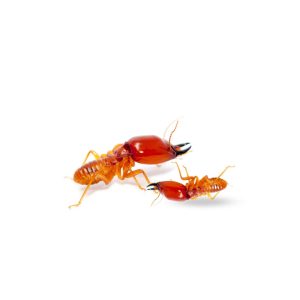
Termites are social insects operating in strict, highly organized colonies comprising a queen, king, workers, and soldier castes. In Bangladesh, subterranean termites (primarily Coptotermes gestroi) are responsible for over 80% of major structural termite damage.
- Primary Food Source: Cellulose found in wood, paper, cardboard, and drywall.
- Colony Location: Deep underground beneath foundation slabs or inside damp wall cavities.
- Mode of Attack: They travel from the soil into buildings through specialized shelter structures known as mud tubes. They chew wood from the inside out, always leaving an outer skin of wood intact to maintain humidity.
- Environmental Need: High moisture. Subterranean termites die rapidly if exposed to dry ambient air.
2. Wood Boring Beetles / Powderpost Beetles (Order: Coleoptera)
Unlike termites, wood borers are solitary beetles belonging mainly to the Lyctidae, Anobiidae, or Bostrichidae families. The adult beetle itself does not eat the wood; its sole biological purpose is reproduction.
- Primary Food Source: Starch, sugar, and protein inside the sapwood of hardwoods and commercial plywoods.
- Life Cycle Danger: The female beetle deposits eggs inside microscopic pores or surface cracks of unseasoned or untreated timber. Once hatched, the larvae chew through the wood for 1 to 5 years, tunneling unseen before pupating and emerging as adult beetles.
- Mode of Attack: Larvae digest timber internally, reducing the solid heartwood to a fine flour-like powder. When mature, the adult chews a tiny exit hole to fly away, mate, and repeat the cycle.
- Environmental Need: Can survive in low-moisture, seasoned ambient wood, making them lethal to indoor furniture, door frames, and wall cladding.
Comparative Analysis: Wood Borers vs. Termites
Understanding these biological differences reveals why a one-size-fits-all approach fails. The comparison table below highlights key operational parameters:
1. Physical Signs of Infestation
- Termites: Earthy mud galleries along walls; blistered floorboards; soft, hollow-sounding timber; discarded translucent wings near light fixtures.
- Wood Borers: Microscopic round exit holes (1–2 mm); piles of talcum-powder-like wood dust (frass) directly below the holes; no mud tubes anywhere.
2. Damage Mechanism
- Termites: Rapid, aggressive consumption of large timber volumes; leaves mud pellets and soil residue inside hollowed galleries.
- Wood Borers: Slow, localized, deep structural tunneling; leaves fine, silky flour-like frass packed tightly inside tiny tunnels.
3. Treatment Approach
- Termites: Soil barrier treatments, chemical trenching, termiticide perimeter application, and baiting systems to destroy the queen and central nest.
- Wood Borers: Micro-injection of deep-penetrating oil/solvent-based wood preservatives directly into exit holes, wood surface impregnation, or structural fumigation.
The Financial Trap: Why Misdiagnosis Costs You Lakhs
Why does treating wood borers as termites cause extreme financial hemorrhaging for corporate entities and luxury residence owners in Bangladesh?
Scenario A: Treating Wood Borers with Termite Chemicals
When an interior designer or office manager notices powder beneath an expensive mahogany conference table in Gulshan, they often hire general pest control services. These technicians routinely spray a liquid termiticide (e.g., Imidacloprid or Bifenthrin emulsion) across the floor or inject water-based chemicals into the soil or wall baseboards.
Frequently Asked Questions
Can termite treatment kill wood borers?
How do I know if the powder under my furniture is from termites or borers?
Why are interior designers in Bangladesh prone to wood borer issues?
Which is more destructive in Bangladesh corporate offices?
Need a Permanent Solution?
Don't let pests ruin your peace of mind. Get a free inspection from Bangladesh's top-rated professionals today.