Could Unseen Pests Be Violating Your Corporate Safety Compliance?
1Identifying the Problem
Key Indicators of a Hidden Corporate Pest Infestation
- Unexplained Equipment Malfunctions: Server glitches, severed communication lines, or flickering lights caused by rodent gnawing behind drywalls.
- Musty or Ammonia-Like Odors: Persistent, unexplained smells in confined spaces like document archives, server rooms, or under-floor spaces.
- Physical Damage to Structures: Tiny holes in wooden paneling, hollow-sounding custom furniture, or fine powdery residue near baseboards.
- Employee Health Complaints: A sudden rise in skin rashes, respiratory issues, or allergy flare-ups among staff sharing collaborative zones.
- Traces and Droppings: Small dark droppings in pantry corners, grease marks along baseboards, or shredded paper in storage rooms.
2Temporary DIY Remedies
Immediate Action Plan for Corporate Workspaces
- Isolate and Inspect: Immediately restrict access to any zone where pest activity is suspected, especially server rooms or pantries.
- Implement a Clean-Desk Policy: Ensure all employees store food in airtight containers and prohibit eating at individual workstations.
- Seal Immediate Entry Points: Use temporary industrial-grade steel wool or silicone sealants to block visible gaps around cable risers.
- Audit Waste Management: Ensure all office dustbins are emptied daily before nightfall and waste holding areas are sanitized.
- Call Certified Professionals: Contact an expert corporate pest control service specializing in commercial IPM compliance rather than using over-the-counter sprays.
The Hidden Danger (Why DIY Fails)
The Catastrophic Risks of Ignoring Pest Compliance
Ignoring a minor pest issue in a high-density corporate office is a direct path to regulatory penalties, structural damage, and irreversible brand erosion.
When facility managers postpone professional pest intervention, they expose their organizations to multi-layered crises. A single viral social media post by an employee showing a rodent in an executive cafeteria can destroy decades of built brand reputation in minutes. Furthermore, structural damage caused by termites can lead to the collapse of expensive false ceilings or custom partitions, posing severe physical danger to employees. In terms of health, pests spread pathogens like Salmonella, E. coli, and Hantavirus, leading to mass sick leaves, decreased productivity, and potential lawsuits under employer liability laws.
The Hidden Threat to Modern Corporate Ecosystems
In the high-stakes corporate environments of Dhaka and Chittagong, executive leadership teams invest millions of BDT in state-of-the-art interior designs, advanced HVAC systems, and premium ergonomic setups. Yet, beneath the polished glass facades and behind the acoustic wall panels of modern office spaces, a silent, unseen threat is actively undermining corporate integrity: pest infestations. These hidden biological hazards do more than just cause minor discomfort; they are direct, actionable violations of national and international corporate safety compliance standards.
According to the Bangladesh Labour Act and international occupational safety guidelines, employers are legally obligated to maintain a hygienic, hazard-free workplace. An undetected pest presence is a ticking compliance time bomb.
The Regulatory Landscape: Compliance Under the Microscope
Corporate safety is no longer just a human resources checklist; it is a heavily audited legal framework. In Bangladesh, regulatory bodies are tightening their oversight on workplace environments. Understanding the specific compliance frameworks is critical for facility managers:
- The Bangladesh Labour Act, 2006: Section 51 explicitly mandates that every establishment must be kept clean and free from effluvia arising from any drain, privy, or other nuisance. Pests like rodents and cockroaches are primary vectors of such nuisances.
- ISO 45001 (Occupational Health and Safety): For multinational corporations operating in Dhaka and Chittagong, maintaining ISO certification requires identifying and mitigating biological hazards, which includes pest-borne pathogens.
- HACCP and Food Safety Standards: For corporate offices featuring in-house cafeterias, executive dining halls, or pantry zones, pest activity triggers immediate compliance failures under food safety audits.
The Silent Offenders: Where They Hide and How They Destroy
1. Rodents in the Digital Infrastructure
Modern offices run on data. Server rooms, under-floor cabling, and cable risers are the lifelines of corporate communication. Rodents possess continuously growing incisors that compel them to gnaw on hard surfaces, including fiber-optic cables and electrical wiring. A single rodent chew can cause catastrophic server downtime, data loss, or worse, electrical fires that threaten employee lives.
2. Termites in the Premium Interiors
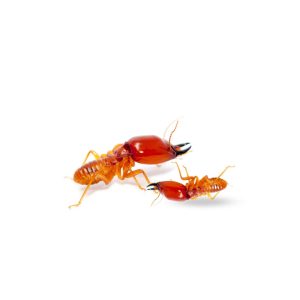
Interior designers in Bangladesh frequently utilize MDF, plywood, and wooden paneling to create warm, aesthetic office environments. Unfortunately, subterranean termites view these decorative elements as prime cellulose sources. They eat away at the structural core of custom workstations, partition walls, and executive desks, completely hollow-out premium installations before any external damage becomes visible.
3. Bed Bugs in Collaborative Spaces
With the rise of collaborative workspaces featuring plush fabric sofas, acoustic booths, and carpeted floors, bed bugs have found new transit hubs. Employees can unknowingly transport these hitchhikers from public transport or their homes into the office. Once established in ergonomic chairs or fabric partitions, they cause painful bites, leading to severe allergic reactions, employee anxiety, and a rapid drop in workplace morale.
The Designer’s Dilemma: Aesthetics vs. Pest Vulnerability
Modern interior design trends often inadvertently create perfect pest harborages. When designing corporate offices in urban centers like Gulshan, Banani, or Agrabad, aesthetic choices must be balanced with pest-preventive structural planning:
- Suspended Ceilings and Drywalls: The void spaces behind plasterboards and above acoustic ceiling tiles act as superhighways for rodents and insects, shielding them from view.
- Unsealed Cable Penetrations: Utility conduits passing through walls are rarely sealed properly, allowing pests to move freely between departments.
- Indoor Planters and Green Walls: While biophilic design improves air quality and mental well-being, poorly maintained indoor greenery introduces soil-dwelling pests and moisture problems.
A Strategic Action Plan for Facility Managers
To ensure absolute compliance, facility managers must transition from reactive pest control to a proactive, Integrated Pest Management (IPM) strategy. This involves three essential pillars:
- Continuous Monitoring and Early Detection: Utilizing non-toxic tracking powders, digital rodent traps, and pheromone monitors in high-risk zones like pantries and server rooms.
- Structural Exclusion: Working with professional pest control services to seal all entry points, install door sweeps, and apply industrial-grade sealants around utility lines.
- Employee Awareness Programs: Educating staff on proper desk hygiene, prompt reporting of sightings, and strict food storage policies in designated cafeteria areas.
Frequently Asked Questions
How do pests affect corporate compliance in Bangladesh?
Which office areas are most vulnerable to hidden pests?
What is Integrated Pest Management (IPM) for corporates?
Can interior design choices prevent pest infestations?
Need a Permanent Solution?
Don't let pests ruin your peace of mind. Get a free inspection from Bangladesh's top-rated professionals today.