The 3 Silent Destroyers of Corporate Workspaces (And How to Spot Them)
Direct Executive Summary
The three silent destroyers of corporate workspaces in Bangladesh are Subterranean Termites (destroying wooden fit-outs and sub-floor infrastructure), Commercial Rodents (chewing through fiber-optic cables and electrical wiring causing downtime and fire hazards), and German Cockroaches (contaminating indoor air quality and destroying electronic appliances in pantries). Early spot checks behind access floors, inside false ceilings, and around server rooms using acoustic and thermal technology are essential to prevent devastating financial losses.
1Identifying the Problem
Early Warning Symptoms Matrix for Facility Managers
- Termites: Hollow sounds on wooden paneling, paint blistering along drywalls, fine mud tubes behind server racks.
- Rodents: Intermittent ethernet connectivity losses, burnt insulation odor in false ceilings, dark greasy streak marks along skirting boards.
- German Cockroaches: Frequent motherboard failures in coffee machines, black pepper-like droppings in pantry corners, oily, musty odor in closed rooms.
2Temporary DIY Remedies
Immediate Triage Actions Before Specialist Arrival
- Isolate Affected Cable Runs: Do not pull damaged ethernet/power cables forcibly. Cover exposed wire entry holes with temporary stainless steel wire mesh (under 1mm gap).
- Remove Pantry Water Sources: Eliminate standing water in coffee machine drip trays and under-sink condensation collection bowls immediately every evening.
- Do Not Spray Aerosols on Active Termite Mud Tubes: Household aerosol sprays force termites to retreat deeper into structural voids, spreading the infestation to unaffected zones.
The Hidden Danger (Why DIY Fails)
The Catastrophic Cost of Inaction in Commercial Properties
"A single cable failure caused by rodent gnawing can cost a financial institute up to BDT 500,000 per hour in system downtime, apart from the immense fire risk."
Delaying commercial pest management leads to permanent structural timber destruction, severe corporate liability under occupational health regulations, airborne health epidemics within sealed HVAC environments, and total loss of corporate brand equity during client visits.
The Hidden Financial Drain in Modern Bangladesh Corporate Real Estate
In the high-stakes commercial hubs of Dhaka—from Motijheel to Gulshan, Banani, and Uttara—as well as the bustling economic corridors of Agrabad and GEC in Chittagong, corporate workspaces represent massive investments. Modern architecture, state-of-the-art server infrastructure, ergonomic interiors, and acoustic wall paneling create environments designed for peak productivity. However, beneath the polished glass facades and carpeted floors lies a hidden vulnerability that quietly consumes millions of BDT in asset depreciation, equipment failure, and lost employee productivity every year: uncontrolled commercial pest infestations.
Unlike residential infestations, corporate pest activity operates covertly within elevated access floors, HVAC duct networks, false ceilings, and drywalls. Facility managers and interior designers often mistake early warning signs for routine wear and tear until sudden IT outages, electrical fires, or health regulatory violations occur. In this comprehensive guide, we dissect the three silent destroyers of corporate workspaces in Bangladesh and outline actionable detection protocols.
1. Subterranean Termites: The Structural & Server-Room Nightmare
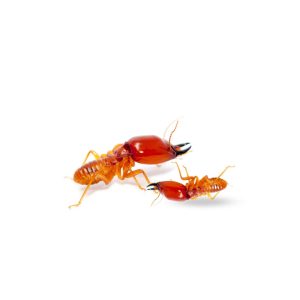
When interior designers invest heavily in teak veneer paneling, acoustic gypsum boards, and high-density fiberboard (HDF) workstation partitions, they inadvertently install a massive food source for subterranean termites (Coptotermes gestroi). In humid tropical zones like Dhaka and coastal Chittagong, subterranean termites are responsible for over 70% of structural wood and interior damage in commercial buildings.
Why Corporate Spaces Are Uniquely Vulnerable
Modern corporate offices use raised flooring systems to conceal miles of fiber-optic, ethernet, and electrical cables. These sub-floor spaces offer dark, warm, and undisturbed micro-environments. Termites utilize mud tubes to travel from the soil foundation through structural concrete columns into these cable raceways. The cellulose coating on certain legacy cables, coupled with nearby drywall paper backing, provides an ideal nourishment network.
"By the time drywall starts blistering or door frames feel hollow, over 60% of the internal timber or sub-floor cabling structure may already be compromised."
Key Indicators of Termite Activity
- Hollow-Sounding Joinery: Tapping on custom wooden workstation dividers or executive desk paneling yields a papery, hollow echo.
- Blistered Paint and Drywall Flaking: Often misdiagnosed as water dampness, termite galleries beneath paint layers create bubbling wallpaper and flaking paint.
- Frass and Mud Tubes: Hardened earthy conduits running along baseline trunking, server room risers, or behind wall-mounted display screens.
2. Commercial Rodents: The Cyber Security and Fire Hazard
Rats and mice are not merely hygiene nuisances; in a modern digital office, they are catastrophic infrastructure hazards. The Roof Rat (Rattus rattus) and Norway Rat (Rattus norvegicus) are endemic to commercial towers in Dhaka and Chittagong, easily traversing utility shafts and exterior plumbing pipes.
The Technical Damage: Fiber Optic and Electrical Destruction
Rodent incisors grow continuously at a rate of 4 to 5 inches per year. To wear them down, rodents must constantly gnaw on hard materials. Network data cables, server power supplies, flexible conduits, and HVAC wire harnesses are prime targets. A single rodent gnawing through a core fiber optic trunk can cripple an entire financial firm's trading floor or a tech hub's cloud service center within seconds.
- Short Circuits & Unexplained Power Drops: Damaged insulation leads to sparking inside false ceilings, triggering circuit breakers or localized electrical fires.
- Data Packet Loss and Network Instability: Micro-fractures in ethernet or fiber lines caused by partial rodent gnawing cause intermittent connectivity issues that baffle IT departments.
- Air Quality Contamination: Dried rodent urine and droppings trapped inside central HVAC ducts circulate airborne pathogens, leading to Sick Building Syndrome (SBS) among employees.
3. German Cockroaches: The Invisible Indoor Air Quality & Reputation Killer
While subterranean termites destroy structures and rodents wreck digital infrastructure, German Cockroaches (Blattella germanica) targeted corporate human capital and brand trust. Thriving in employee pantries, cafeteria grease traps, coffee machine boilers, and warm server racks, these micro-destroyers reproduce exponentially.
The Biological Impact on Employee Health
German cockroaches shed shed skins, cast shells, and produce droppings containing potent protein allergens. When these particles are pulled into central air conditioning systems, they trigger chronic respiratory ailments, asthma attacks, and unexplained allergic reactions among staff. The result is a measurable spike in sick leave and reduced daily cognitive performance.
Signs of an Advanced Cockroach Infestation
- Pantry Appliance Failure: Cockroaches are attracted to the electromagnetic fields and warmth of coffee makers, microwave circuit boards, and water dispensers, causing short-circuits in expensive appliances.
- Fecal Smears: Small dark spots resembling pepper grains or dark liquid smears along pantry cabinet hinges, under sink rims, and behind water coolers.
- Pungent Musty Odor: A distinct, lingering oily odor in closed conference rooms or pantry storage areas indicates a large, mature colony hidden nearby.
Strategic Prevention Protocol for Facility Managers & Interior Designers
Mitigating these three silent destroyers requires shifting from reactive pest eradication to proactive Integrated Pest Management (IPM) starting at the architectural and fit-out stage.
- Architectural Sealing & Barrier Installation: Enforce complete sealing of all cable penetration points between floors using expanding fire-rated foam and stainless steel wire mesh. Interior designers must insist on anti-termite chemical soil treatment for ground floors and pre-treated engineered wood for interior fit-outs.
- Sub-Floor and Ceiling Void Inspections: Mandate quarterly thermal imaging and acoustic sensor inspections of raised access floors and suspended ceiling tiles to catch early pest activity before visible damage occurs.
- Strict Moisture & Waste Protocols: Eliminate subtle plumbing leaks under pantry sinks and enforce a zero-food-overnight policy at workstation desks. Standardize sealed waste disposal units across all zones.
Frequently Asked Questions
How do termites get into high-rise corporate towers in Dhaka?
Why do rodents chew through server cables specifically?
How often should corporate offices undergo commercial pest inspection?
Need a Permanent Solution?
Don't let pests ruin your peace of mind. Get a free inspection from Bangladesh's top-rated professionals today.