The Monsoon Pest Invasion: Is Your Dhaka Office Actually Prepared?
Is Your Office Ready for the Monsoon Pest Invasion?
The monsoon season in Dhaka and Chittagong creates the perfect storm for pest infestations in commercial spaces. High humidity, rising groundwater, and flooded drainage systems force rodents, termites, German cockroaches, and mosquitoes inside air-conditioned corporate offices. Standard janitorial cleaning is insufficient because pests infiltrate hidden structural voids, false ceilings, server rooms, and modular furniture. To prevent severe electrical damage, employee health risks like Dengue, and catastrophic business downtime, facilities must transition from reactive spraying to proactive, integrated pest management (IPM) designed specifically for monsoon conditions.
1Identifying the Problem
Key Signs of a Monsoon Pest Infestation in Commercial Spaces
- Foul, Musty Odors: Pervasive oily or musky smells near pantries and false ceilings indicating German cockroach clusters or hidden rodent nests.
- Chewed Wiring & Cable Trays: Unexplained network interruptions, flickering lights, or damaged Ethernet cables caused by rodents seeking dry sanctuary in server racks.
- Mud Tubes & Hollow Timber: Subterranean termite shelter tubes running along skirting boards, drywall, or corporate reception desks.
- Insect Droppings & Shredded Paper: Tiny black pepper-like droppings in desk drawers, server cabinets, or archive boxes.
- Daytime Mosquito Activity: Aedes mosquitoes lingering under workstation desks, conference tables, and potted office plants.
2Temporary DIY Remedies
Immediate Actionable Steps Before Professional Pest Technicians Arrive
- Eliminate Standing Water & Pantry Leaks: Inspect water dispensers, sink drains, and AC drip pans twice daily. Wipe down all surfaces before closing office hours.
- Seal Perimeter Entry Points: Use silicone sealant or expanding foam to seal gaps around utility pipes, glass partitions, and door sweeps.
- Implement Strict Pantry Protocols: Enforce zero-food policy at individual desks. Store all pantry dry goods in airtight plastic or glass containers.
- Elevate IT Storage & Archive Boxes: Keep paper files, cardboard boxes, and backup equipment at least 6 inches off the floor on metal racking.
- Manage Indoor Plants: Remove excess standing water from plant saucers and treat soil surface with neem-based repellent solution.
The Hidden Danger (Why DIY Fails)
The Devastating Costs of Ignoring Monsoon Pest Risks
Ignoring a pest problem during the monsoon isn't just an aesthetic inconvenience; it is a critical business continuity hazard.
- Severe Financial & Infrastructure Damage: Rodents gnawing on fiber-optic cables or server power lines can trigger catastrophic system outages, costing millions in lost data and repairs.
- Employee Absenteeism & Health Crisis: Stagnant water and humid indoor microclimates drive Aedes mosquitoes and Salmonella-carrying roaches inside, increasing sick leave due to Dengue fever, typhoids, and severe respiratory allergies.
- Irreparable Brand Reputation Damage: A single viral video or client sighting of a rat or cockroach in a high-end Gulshan, Banani, or Motijheel corporate headquarters can destroy years of brand prestige.
- Regulatory Non-Compliance: Failure to maintain hygiene standards violates labor safety compliance regulations and corporate audit protocols.
Executive Summary: The Silent Crisis in Dhaka’s Commercial Hubs
As the monsoon rains relentlessly hammer the streets of Dhaka and Chittagong—flooding major thoroughfares from Motijheel to Gulshan, and Agrabad to GEC Circle—a parallel, invisible crisis unfolds inside modern corporate buildings. Rising groundwater, inundated municipal sewer systems, and soaring humidity levels force millions of pests out of their subterranean habitats. Seeking shelter, food, and warm microclimates, these pests converge on commercial office spaces.
For facility managers, corporate executives, and interior designers, the monsoon season is not merely a climatic event; it is an urgent business continuity risk. While companies spend millions on state-of-the-art office interiors, high-speed fiber networks, and luxury glass facades, a single undetected pest infestation can destroy expensive infrastructure, contaminate employee health, cause severe brand damage, and interrupt critical operations.
The Biology of the Monsoon Invasion: Why Rains Drive Pests Indoors
Understanding the biology of urban pests during the rainy season is essential for proactive facility management in Bangladesh.
1. Flooded Nests and Rising Water Tables
Burrowing pests like the Roof Rat (Rattus rattus) and Lesser Bandicoot Rat (Bandicota bengalensis) inhabit underground drainage networks, soil cavities beneath concrete slabs, and utility vaults. When heavy monsoon downpours submerge these underground networks, these rodents are forced upward into commercial risers, false ceilings, and raised server floor voids.
2. High Relative Humidity Accelerates Insect Breeding
Dhaka’s monsoon relative humidity routinely exceeds 85-95%. This tropical moisture creates optimal conditions for insect reproduction. The German Cockroach (Blattella germanica), for instance, experiences shortened egg incubation cycles under humid conditions. A single female roach introduced via pantry deliveries can initiate a colony of thousands within weeks.
3. Climate Control as an Attraction
Ironically, sealed, air-conditioned corporate offices act as pest magnets. Modern HVAC systems regulate indoor temperatures to around 22-24°C, providing a stable, climate-controlled sanctuary away from heavy outdoor rains and windstorms.
The Big Four Monsoon Invaders in Dhaka & Chittagong Offices
1. German Cockroaches (Blattella germanica)
Unlike larger American cockroaches, German roaches prefer warm, dark, and tight structural crevices close to moisture. In modern offices, they colonize coffee machine motor housings, water dispenser interiors, microwave vents, and cable trays under pantry counters. They leave behind potent pheromones that attract more roaches, and their shed skins contain airborne allergens known to trigger acute asthma and rhinitis in office staff.
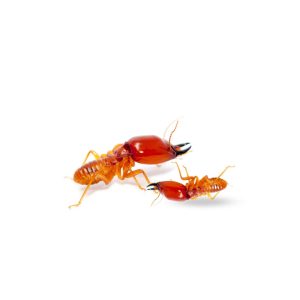
2. Subterranean Termites (Coptotermes gestroi)
Monsoon moisture saturates building foundations, creating wet pathways through microscopic structural cracks. Subterranean termites construct mud tubes to travel from the soil to interior wooden furniture, gypsum board partition frames, wall paneling, and archival paper storage. By the time damage becomes visible on veneer surfaces, structural internal framing is often completely hollowed out.
3. Rodents: Roof Rats & Bandicoots
Rodents pose the highest immediate financial threat to corporate infrastructure. Their incisors grow continuously, compelling them to constantly gnaw on materials. In modern IT environments, server cabling, fiber-optic lines, and electrical conduits running beneath raised flooring systems are prime targets. A single rodent chewing through a primary server power line can cause total network downtime, costing software firms, banks, and multinational offices millions of Taka per hour.
4. Mosquitoes (Aedes aegypti & Aedes albopictus)
During the rainy season, Aedes mosquitoes thrive in urban pockets across Dhaka and Chittagong. While breeding primarily outdoors in stagnant rainwater, adult mosquitoes enter office buildings through open glass doors, basement parking lobbies, and rooftop gardens. Once inside, they rest under workstation desks and inside dark conference rooms, exposing employees to Dengue fever and Chikungunya.
Architectural Vulnerabilities in Modern Office Fit-Outs
Interior designers and architects play a frontline role in pest prevention. However, modern corporate interior trends in Bangladesh often inadvertently create ideal pest harborages:
- Raised Flooring for IT Wiring: Unsealed gaps beneath floor tiles create underground highways for rodents and roaches to move between departments undetected.
- Gypsum Board & Timber Partitions: Hollow partition walls provide unmonitored nesting spaces protected from daily janitorial cleaning.
- Unsealed Cable Penetrations: Utility wall penetrations connecting server rooms to main utility shafts are rarely fire-stopped or sealed with rodent-proof mesh.
- Pantry Joinery Design: Sink cabinets featuring unsealed plumbing wall cutouts allow roaches and moisture to accumulate inside hidden cabinet voids.
- Indoor Greenery & Potted Plants: Standing water in decorative plant saucers creates miniature Aedes breeding sites right next to employee workstations.
Why Traditional Janitorial Cleaning Fails During Monsoon
Many commercial facility managers rely entirely on night-shift janitorial staff or basic aerosol sprays to manage pests. This approach is fundamentally flawed during monsoon conditions for several reasons:
- Surface vs. Structural Treatment: Sweeping, mopping, and spray bottles only address visible adult pests on open surfaces. Over 90% of a pest population remains hidden deep inside wall cavities, electrical conduits, and ceiling spaces.
- Chemical Repellency Issues: Over-the-counter pyrethroid aerosol sprays scatter cockroach colonies, forcing them to spread into previously uninfested areas like executive cabins and server racks.
- Pest Resistance: German cockroaches in Dhaka’s urban core have developed widespread resistance to common consumer chemical sprays.
The Scientific Solution: Integrated Pest Management (IPM)
To defend commercial real estate during the monsoon, companies must adopt an Integrated Pest Management (IPM) methodology—a scientific, multi-layered strategy combining structural modification, sanitation, and targeted biological/chemical control.
Phase 1: Exclusion & Structural Proofing
- Install heavy-duty nylon door sweeps on all perimeter and basement access doors.
- Seal all wall penetrations surrounding server room conduits using copper mesh and commercial-grade expanding polyurethane foam.
- Treat raw wooden framing and plywood substrates with borate-based wood preservatives during initial interior fit-out.
Phase 2: Sanitation & Moisture Control
- Implement a strict non-negotiable policy prohibiting food waste disposal in personal desk bins overnight. All organic waste must be consolidated in central pantry bins equipped with tight lids and emptied daily before office closure.
- Perform daily audits of pantry plumbing, water coolers, and refrigerator condensation trays to eliminate standing water.
- Maintain indoor relative humidity below 60% through optimized HVAC operation and commercial dehumidifiers in critical spaces like archives and IT server rooms.
Phase 3: Targeted Non-Repellent Chemical Application
- Deploy fipronil or imidacloprid-based cockroach gel baits in concealed electrical and joinery locations. Gel baits allow roaches to return to their harborage and transfer the active ingredient throughout the colony through cascading domino toxicity.
- Position tamper-resistant rodent bait stations along external building perimeters and non-toxic mechanical snap traps within interior false ceiling spaces.
- Apply micro-encapsulated residual treatments to dark mosquito resting sites in basement parking areas and building entrances.
Actionable Monsoon Preparedness Checklist for Facility Managers
- Inspect Ceiling Voids: Remove false ceiling tiles near pantries and washrooms to check for rodent droppings, chewed wires, or leaking pipes.
- Audit Pantry Electronics: Pull out microwave ovens, water dispensers, and coffee machines to clean beneath and behind thermal components where roaches congregate.
- Check Server Room Integrity: Inspect raised floor tiles and verify that all cable entry points from external risers are sealed airtight.
- Evaluate Waste Management: Ensure outside garbage dumpsters are located at least 30 feet away from main building entrances and possess functional drainage plugs.
- Partner with Professional IPM Experts: Schedule quarterly structural pest audits with certified urban pest control specialists before the peak monsoon onset.
Conclusion: Protecting Human Health and Corporate Value
A monsoon pest invasion is not an inevitable seasonal tax on doing business in Bangladesh—it is a manageable operational risk. By shifting from reactive chemical spraying to scientific Integrated Pest Management, corporate facilities in Dhaka and Chittagong can ensure zero business downtime, safeguard valuable corporate assets, and maintain a safe, healthy workspace for their workforce.
Frequently Asked Questions
Why are German cockroaches more common in AC offices during monsoon?
How often should a corporate office in Dhaka undergo professional pest treatment during rains?
Can interior designers prevent termite infestations during office fit-outs?
Need a Permanent Solution?
Don't let pests ruin your peace of mind. Get a free inspection from Bangladesh's top-rated professionals today.