Why Garment Factories in Gazipur & Narayanganj Lose Audit Points Due to Hidden Pest Infestations
1Identifying the Problem
Signs of Hidden Pest Infestations in RMG Facilities
- Chewed Fabric Rolls and Cardboard Boxes: Jagged tears, frayed thread bundles, and perforated packaging materials in the fabric storage area.
- Fecal Pellets and Urine Stains: Dark rodent droppings along baseboards, beneath pallet racks, and inside false ceiling ducts visible under UV light.
- Foul Odors: Pungent, musky smells emitting from wall cavities, electric riser closets, and under heavy cutting tables.
- Insect Cast Skins and Frass: Shed exoskeletons of cockroaches, silverfish, and carpet beetles near textile rolls and sewing stations.
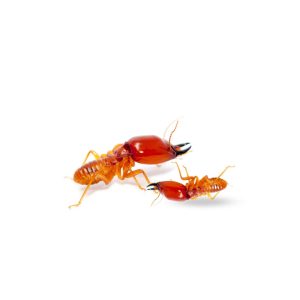
- Structural Timber Damage: Hollowed wooden pallets, sagging plywood partitions, and mud tubes indicative of active subterranean termite colonies.
2Temporary DIY Remedies
Immediate Action Plan Before Pest Audit Inspections
- Isolate and Seal Storage Zones: Elevate all fabric pallets at least 6 inches off the floor and 18 inches away from walls. Seal gaps larger than 0.25 inches around utility pipes.
- Eliminate Stagnant Water and Food Residue: Enforce strict sanitation in canteens and rest areas. Empty bins every shift and dry damp floor drains immediately.
- Install Non-Chemical Traps: Deploy mechanical rodent snap traps and pheromone sticky monitors along perimeter walls to quantify pest pressure without introducing chemicals to production zones.
- Inspect Roof Vents and False Ceilings: Install fine mesh screens (under 1mm) over all exterior air intakes, exhaust fans, and roofing gaps to block entry points.
The Hidden Danger (Why DIY Fails)
The Severe Risks of Ignoring Pest Audits in Garment Hubs
A single pest compliance failure can trigger catastrophic buyer hold notices, audit downgrades from Grade A to Major Non-Compliance, and direct financial penalties reaching tens of thousands of dollars.
Ignoring pest control in Gazipur and Narayanganj ready-made garment (RMG) factories directly compromises international buyer certifications (ACCORD, NIRAPOAN, BSCI, WRAP, HIGG Index). Pests contaminate export cargo, leading to rejected shipments at foreign ports, total product destruction, and irreversible brand reputation damage in global markets.
The Invisible Crisis Threatening Bangladesh’s RMG Supply Chain
In the high-stakes ready-made garment (RMG) export corridor spanning Gazipur and Narayanganj, factory compliance is the ultimate currency. Compliance officers, facility directors, and supply chain managers meticulously prepare for rigorous third-party audits under frameworks like BSCI, WRAP, Sedex, and the HIGG Index. Yet, despite millions spent on fire safety upgrades, modern machinery, and ergonomic interiors, world-class facilities frequently drop from top-tier compliance ratings due to an overlooked vulnerability: hidden pest infestations.
Subterranean termites, German cockroaches, Norway rats, and silverfish do not restrict themselves to waste dumping sites. They invade wall cavities, false ceilings, fabric storage bays, electrical ducting, and executive dining halls. During international compliance inspections, a single discovered rodent pellet in a fabric stack or insect frass beneath a cutting table translates directly into a Major Non-Conformance (MNC) report, halting export shipments and endangering multi-million-dollar buyer contracts.
The High Cost of Hidden Infestations in Industrial Hubs
Gazipur and Narayanganj represent the industrial backbone of Bangladesh’s textile industry, but their geographic location creates unique ecological pressures. Proximity to wetlands, river basins, dense urbanization, and high atmospheric humidity makes these regions prime breeding grounds for urban and industrial pests.
1. Fabric Store Contamination and Material Waste
Fabric warehouses hold raw materials valued at millions of dollars. Silverfish and carpet beetles thrive in dark, humid environments, consuming natural fibers like cotton, wool, and silk, as well as synthetic sizing compounds. Rats chew through rolls of knitted and woven goods to gather nesting material, leaving urine trails visible under ultraviolet audit lamps. When auditors scan fabric rolls, organic contamination triggers immediate material rejections and audit deductions.
2. Electrical and Mechanical Downtime
Rodents possess continuously growing incisors that force them to gnaw constantly on hard surfaces. Electric cable trays inside false ceilings and main distribution boards (MDBs) are prime targets. Chewed wire insulation causes short circuits, equipment downtime, unexpected production halts, and catastrophic fire hazards—a primary focus area for ACCORD/NIRAPOAN safety auditors.
3. Canteen Hygiene and Worker Health Audits
Worker welfare forms a critical pillar of social compliance audits. Canteens and dining spaces in Gazipur factories often struggle with persistent German cockroach infestations. These pests vector pathogens such as Salmonella, E. coli, and Dysentery, leading to foodborne illnesses among the workforce. High absenteeism and poor canteen hygiene directly degrade BSCI and HIGG Index social scores.
Why Traditional Pest Control Fails International Audits
Many RMG facility managers still rely on reactive, local pest control operators who perform random chemical spraying sessions once a month. This approach is not only ineffective but actively breaches international compliance standards for the following reasons:
- Chemical Contamination Risks: Unregulated chemical spraying on finished goods or raw textiles violates OEKO-TEX Standard 100, EU REACH, and buyer Restricted Substances Lists (RSL).
- Lack of Documentation and Traceability: International auditors demand rigorous Integrated Pest Management (IPM) documentation, including trend analysis charts, bait station mapping, chemical safety data sheets (MSDS), and technician licenses. A simple cash invoice from an uncertified provider results in automatic point deductions.
- Failure to Address Root Causes: Chemical sprays only kill exposed adult insects, leaving subterranean nests, egg cases (oothecae), and hidden rodent colonies untouched inside architectural voids.
The Modern IPM Framework for RMG Compliance Success
To secure flawless audit scores in Gazipur and Narayanganj, facility directors and interior layout planners must adopt a proactive, scientifically verified Integrated Pest Management (IPM) framework. IPM focuses on structural exclusion, continuous monitoring, zero chemical exposure to fabrics, and meticulous audit documentation.
1. Structural Proofing and Architectural Exclusion
Preventing pest entry is the first line of defense. Factory planners and interior engineers should implement the following structural controls:
- Door Sweeps and Air Curtains: Install heavy-duty brush sweeps on external loading docks and high-velocity air curtains over all active entrances to block flying insects.
- Utility Penetration Sealing: Fill openings around steam lines, electrical conduits, and drain pipes with stainless steel mesh and silicone sealants.
- False Ceiling Access Panels: Design inspectable ceiling grids with dedicated access ports to monitor ductwork and cable trays for pest activity.
2. Zone-Specific Monitoring Protocols
A compliant RMG facility must divide its floor plan into risk zones:
- Red Zones (High Vulnerability): Fabric storage, yarn stores, and packing halls require non-toxic pheromone sticky monitors and mechanical multi-catch rodent traps checked weekly.
- Yellow Zones (Medium Risk): Production floors, cutting sections, and administrative offices require glue boards and electronic insect light traps (ILTs) equipped with shatterproof UV bulbs.
- Green Zones (External Perimeter): Tamper-resistant bait stations containing registered rodenti cides secured along the exterior perimeter fence line to intercept pests before they enter buildings.
Frequently Asked Questions
Why do standard cleaning procedures fail during compliance audits in RMG factories?
How do hidden pest infestations specifically impact BSCI and HIGG Index scores?
Are chemical pesticides allowed in garment storage areas?
How frequently should a Gazipur or Narayanganj RMG factory schedule pest audits?
Need a Permanent Solution?
Don't let pests ruin your peace of mind. Get a free inspection from Bangladesh's top-rated professionals today.