The Hidden Reason Your Employees Keep Getting Sick in the Office
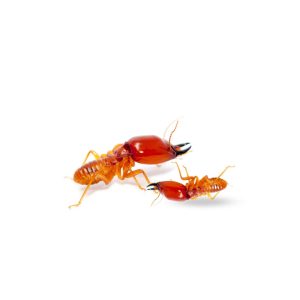
The hidden reason your employees keep getting sick is Sick Building Syndrome (SBS) driven by hidden pest infestations (rodents, cockroaches, and pigeons) inside HVAC ducts, false ceilings, and wall cavities, combined with toxic mold spores and poor indoor air quality. In humid tropical hubs like Dhaka and Chittagong, pest droppings, urine, and dander disintegrate inside air conditioning systems, circulating microscopic allergens directly into workstations, leading to chronic respiratory illness, fatigue, and plummeting corporate productivity.
1Identifying the Problem
- Unexplained Chronic Fatigue: Employees experience sudden energy crashes mid-afternoon despite adequate sleep.
- Persistent Respiratory Issues: Frequent coughing, sneezing, nasal congestion, and asthma flare-ups localized inside the office building.
- Eye, Nose, and Throat Irritation: Dryness, itching, or burning sensations that disappear shortly after leaving the premises.
- Frequent Unexplained Headaches: Clusters of staff reporting migraines or tension headaches during working hours.
- Musty or Foul Odors: Damp, stale, or ammonia-like smells emitting from AC vents or ceiling tiles.
2Temporary DIY Remedies
- Inspect and Seal Ceiling Tiles: Replace water-damaged ceiling boards and seal gaps around lighting fixtures to restrict pest migration from false ceilings.
- Deep Clean Air Grilles and Filters: Vacuum and sanitize accessible HVAC air intake grilles with antibacterial solutions weekly.
- Implement Strict Food Desk Policies: Prohibit open food storage at workstations and enforce mandatory daily cleaning of corporate pantries.
- Deploy High-Capacity Dehumidifiers: Keep office relative humidity levels strictly between 40% and 50% to inhibit mold growth and dust mite propagation.
- Schedule Professional Industrial Fumigation: Engage licensed commercial pest controllers to inspect hidden HVAC risers and conduct non-toxic thermal fogging.
The Hidden Danger (Why DIY Fails)
CRITICAL RISK: Neglecting office indoor air quality and hidden pest reservoirs leads to massive corporate liabilities, high absenteeism, plummeting employee retention, and potential legal claims under occupational health regulations. Airborne rodent urine particles (Hantavirus risks) and cockroach allergen proteins are classified as high-potency asthma triggers that can permanently impair workforce lung capacity and cut operational output by up to 30%.
The Silent Health Crisis in Modern Corporate Workspaces
Every Monday morning across commercial hubs in Dhaka—from Gulshan Avenue and Banani to Motijheel—and the bustling corporate towers of Agrabad and Nasirabad in Chittagong, a quiet crisis unfolds. Executive suites report dropping attendance, mid-level teams struggle with afternoon cognitive fatigue, and human resource departments face endless sick-leave requests. While management often attributes this to seasonal viruses or stressful work cycles, the actual culprit is frequently hidden directly above their heads, inside their central air conditioning ducts, and beneath carpeted raised floors.
This phenomenon is scientifically recognized as Sick Building Syndrome (SBS), a condition where office occupants experience acute discomfort and health issues linked directly to time spent inside a specific building structure. However, in tropical commercial environments like Bangladesh, SBS is rarely caused by poor ventilation alone. The primary catalyst is a complex, concealed ecosystem of pest allergens, bio-aerosols, and toxic mold spores recirculating through modern HVAC systems.
The Unseen Biological Chain Reaction: How Pests Contaminate Office Air
Modern corporate architecture heavily relies on sealed environments, false drop ceilings, raised access flooring, and centralized glass facades. While aesthetically pleasing and energy-efficient, these architectural choices create micro-environments perfect for hidden pest infestations.
1. False Ceilings: The Highway for Rodents and Cockroaches
The dark, undisturbed voids above acoustic ceiling tiles house essential electrical conduits, internet cables, and AC ducting. They also serve as undisturbed breeding grounds for German cockroaches (Blattella germanica) and roof rats (Rattus rattus). As pests move, shed skins, defecate, and urinate in these spaces, microscopic proteins break down into microscopic dust.
Key Insight: The return-air plenums of central HVAC systems often draw air from these exact false ceiling voids. This means dried rodent urine containing potent proteins and cockroach exoskeletons are constantly sucked into the HVAC filtration units and redistributed across open-plan desk layouts.
2. HVAC Condensation and Mold Bio-Aerosols
Dhaka and Chittagong experience high relative humidity levels, often exceeding 80% for long periods. When warm, moist ambient air hits cold cooling coils inside office AC units, condensation rapidly accumulates. If drainage pans are clogged or insulated ducting develops small leaks, dark mold species such as Aspergillus, Penicillium, and Cladosporium thrive.
- Mycotoxin Release: Active mold colonies release volatile organic compounds (VOCs) and airborne mycotoxins that irritate the respiratory tract.
- Bacterial Breeding Grounds: Stagnant condensation water in drip pans serves as a breeding site for bacteria that spread unpleasant, musty odors throughout the office.
3. Carpet Flooring and Dust Mite Colonies
Wall-to-wall carpeting in executive boardrooms and cubicle floors absorbs humidity and captures ambient organic debris, including skin flakes, spilled beverages, and pest dander. Without industrial-grade HEPA extraction, deep carpet fibers become massive reservoirs for dust mites, triggering chronic sinus inflammation and skin reactions among staff.
The Financial and Operational Impact on Businesses
Ignoring indoor air quality and hidden biological hazards carries heavy financial consequences for corporate enterprises. The impact can be divided into two primary operational drains:
Absenteeism vs. Presenteeism
- Absenteeism: The direct loss of workdays due to documented illness, hospital visits, and medical leave. High absenteeism disrupts project deadlines and increases operational overhead.
- Presenteeism: The far more dangerous, invisible productivity sink where employees are physically present at their desks but function at reduced capacity due to chronic headaches, eye strain, brain fog, and respiratory distress.
Research indicates that poor indoor air quality and hidden biological allergens reduce average employee cognitive function and decision-making speed by up to 15% to 20%, costing companies millions of BDT in lost efficiency annually.
Architectural and Interior Design Vulnerabilities in Local Buildings
To solve the problem, interior designers and facility managers across Bangladesh must recognize how common commercial fit-out choices inadvertently worsen pest and air quality issues:
- Unsealed Cable Penetrations: Openings carved through concrete slabs for electrical wiring act as expressways for rodents moving between floors.
- Absorbent Acoustic Panels: Unsealed fabric acoustic wall panels trap humidity and pest dander, making them impossible to sanitize with conventional cleaning methods.
- Inaccessible Air Handling Units (AHUs): Designing ceiling layouts that block easy physical access to AHU filters and coils guarantees maintenance will be neglected.
A Comprehensive Action Plan for Facility Managers and Business Owners
Resolving workplace illness requires moving away from superficial cleaning toward an integrated, structural approach encompassing professional pest control, regular HVAC maintenance, and proactive interior hygiene.
1. Execute Integrated Commercial Pest Management (IPM)
Standard surface spraying is ineffective against established hidden colonies inside ceiling voids and wall cavities. Facility managers should mandate integrated pest management protocols featuring non-repellent gel baits, insect growth regulators (IGRs), and tamper-resistant rodent tracking stations placed systematically inside mechanical chases.
2. Upgrade HVAC Filtration and Implement Duct Sanitization
HVAC systems must be equipped with high-efficiency particulate air (HEPA) filters capable of trapping sub-micron allergens. Air ducts should undergo periodic robotic inspection, mechanical cleaning, and eco-friendly antimicrobial fogging to eliminate mold colonies inside air delivery routes.
3. Enforce Strict Facility Hygiene and Pantry Policies
Establish strict guidelines prohibiting unsealed food storage inside desk drawers. Ensure pantries feature stainless steel waste receptacles with tight-fitting lids, and enforce daily disposal of organic waste before building lockdown.
4. Optimize Indoor Relative Humidity
Maintain office relative humidity strictly between 40% and 50%. Deploying commercial-grade dehumidifiers in high-moisture zones prevents mold growth, eliminates conditions favored by dust mites, and preserves carpet integrity.
Conclusion: Prioritizing Occupational Health as a Core Asset
A healthy workplace environment is not a luxury; it is a foundational business strategy. By eliminating hidden pest vectors inside ceiling voids, maintaining clean HVAC systems, and addressing indoor air quality, corporate leaders in Dhaka and Chittagong can protect staff health, boost daily productivity, and cultivate a resilient corporate culture.
Frequently Asked Questions
What is Sick Building Syndrome (SBS)?
How do pests inside false ceilings affect indoor air quality?
How often should corporate offices in Dhaka conduct pest control?
Can carpet flooring contribute to employee illness?
Need a Permanent Solution?
Don't let pests ruin your peace of mind. Get a free inspection from Bangladesh's top-rated professionals today.