Eco-Friendly Pest Control: Protecting Your Staff Without Toxic Chemicals
1Identifying the Problem
- Microscopic droppings near pantry appliances, coffee machines, and electrical conduits.
- Fraying or mysterious chew marks on fiber optic networks, server cabling, and executive furniture.
- Unexplained airborne chemical odor or musty smell circulating through central HVAC vents.
- Employee complaints of sudden eye irritation, unexplained respiratory allergies, or skin rashes.
- Hollow sounding wooden skirtings, acoustic wall frames, or door jams indicating termite gallery formation.
2Temporary DIY Remedies
- High-Density Exclusion: Seal all utility pipe penetrations and wall chasings using copper mesh and commercial silicone sealant.
- Sanitize Micro-Pantries: Enforce deep sanitization of coffee makers, clear standing water trays, and store food in airtight glass containers.
- Deploy Mechanical Multi-Catch Traps: Place non-toxic sticky monitors and mechanical rodent boxes along perimeter walls.
- Control Relative Humidity: Maintain office indoor relative humidity below 50% using industrial dehumidifiers to discourage pest hydration.
- Apply Natural Botanical Repellents: Utilize pure neem and concentrated peppermint formulation in non-critical service ducts.
The Hidden Danger (Why DIY Fails)
- Sick Building Syndrome (SBS): Chemical pesticide fumes linger in centralized AC systems, inducing chronic headaches, neuro-fatigue, and high employee absenteeism.
- Costly Infrastructure Damage: Unchecked rodent populations chew through critical fiber optic cables, leading to server downtime and severe fire hazards.
- Irreparable Brand & Legal Damage: Non-compliance with occupational health safety protocols and toxic exposure can trigger heavy regulatory fines and destroy corporate reputation.
The Invisible Workplace Hazard in Dhaka and Chittagong
Modern corporate offices in Bangladesh's commercial hubs—such as Gulshan, Banani, Motijheel in Dhaka, and Agrabad in Chittagong—are engineered for peak efficiency. Sealed glass facades, centralized HVAC systems, and open-plan layouts define these professional spaces. However, this airtight architectural design harbors a silent threat: rapid pest infestation paired with the toxic residual danger of traditional chemical pest control.
For decades, conventional pest management relied on heavy synthetic chemical sprays, organophosphates, and synthetic pyrethroids. While these chemicals rapidly knock down visible pests, they leave behind toxic volatile organic compounds (VOCs) and persistent synthetic residues. In enclosed air-conditioned environments, these toxic agents circulate continuously, posing severe health hazards to executive staff, facility personnel, and visitors.
The Toxic Fall-Out of Traditional Chemical Spraying
Facility managers often schedule chemical pesticide fogging or spraying over weekends, assuming the venue will be safe by Monday morning. This assumption is medically and scientifically flawed. Synthetic chemical formulations degrade slowly indoors due to the lack of direct sunlight and natural ventilation.
Traditional synthetic chemical pesticides leave lingering VOCs in centralized HVAC systems, transforming modern corporate offices into breeding grounds for Sick Building Syndrome (SBS).
Key Hazards of Chemical Pest Control in Commercial Buildings:
- Sick Building Syndrome (SBS): Lingering airborne chemical molecules cause persistent headaches, unexplained fatigue, eye irritation, and cognitive fog among employees.
- Respiratory and Allergic Complications: Airborne chemical residues trigger severe asthma attacks, chronic bronchitis, and dermal sensitivity, directly driving up employee absenteeism.
- Sub-Acute Neurological Impairment: Prolonged low-grade exposure to organophosphates impairs concentration, memory retention, and mental sharpness, subtly eroding workplace productivity.
- Environmental Contamination: Washroom runoff and chemical disposal degrade municipal water channels in urban zones like Dhaka and Chittagong.
Deconstructing Eco-Friendly Pest Control: Integrated Pest Management (IPM)
Eco-friendly pest control is not merely substituting synthetic sprays with organic oils; it is an intelligent, systemic methodology known as Integrated Pest Management (IPM). IPM shifts the focus from reactive chemical annihilation to proactive ecosystem disruption, exclusion, and non-toxic biological intervention.
The Core Pillars of Commercial IPM:
- Comprehensive Structural Inspection: Identifying micro-climates, moisture leakages, and structural voids that invite pests.
- Physical Exclusion and Mechanical Proofing: Sealing architectural cracks, installing high-density brush strips, and mesh-shielding air intake vents.
- Sanitation and Environmental Modification: Eliminating micro-food sources, standing water, and controlling indoor humidity levels.
- Targeted Non-Toxic Interventions: Utilizing insect growth regulators (IGRs), botanical repellents, gel baits, and pheromone trapping.
Pest Dynamics in Corporate Commercial Spaces
Understanding specific urban pest vectors in Dhaka and Chittagong allows interior designers and facility leads to implement tailored green defenses.
1. German Cockroaches in Pantries and Server Rooms
German cockroaches (Blattella germanica) thrive in warm electrical conduits, behind water dispensers, and inside server racks. Traditional spraying causes them to scatter and spread deeper into office walls (a phenomenon known as flushing). Eco-friendly management employs target-specific abamectin or boric acid gel baits. Pests feed on the non-volatile bait and return to their harbourage, eliminating the entire nest without releasing toxic airborne fumes into office zones.
2. Rodents and Fiber Optic Destruction
Roof rats and bandicoot rats present severe operational threats to financial institutions and tech hubs in Chittagong and Dhaka. Rodents must constantly gnaw to keep their incisors down, frequently severing fiber optic data cables, causing massive network outages and fire hazards. Green rodent control abandons secondary-poison anticoagulants—which result in rodents dying inside ceiling voids and creating foul odors—in favor of smart electronic multi-catch traps and tamper-proof mechanical exclusion barriers.
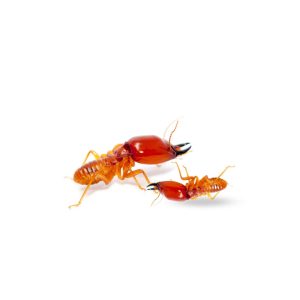
3. Subterranean Termites in Premium Millwork
Interior designers investing millions in custom teak furniture, acoustic wooden wall paneling, and engineered flooring often face devastating subterranean termite attacks. Chemical soil drenching releases heavy toxic fumes under floorboards. The eco-friendly solution incorporates non-toxic chitin synthesis inhibitors through localized baiting stations. Termites worker bees share the bait throughout the colony, safely eradicating the queen and colony structure with zero chemical off-gassing.
The Synergy Between Interior Design and Green Facility Management
Pest prevention begins on the drafting board. Interior designers and commercial architects play a vital role in pest proofing modern office spaces before construction even starts.
Design Recommendations for Pest-Resilient Offices:
- Elevated Millwork: Keep wooden cabinetry raised off floor levels by at least 15 cm on stainless steel legs to eliminate damp, hidden voids.
- Non-Porous Countertops: Specify quartz or solid surface materials in pantries to prevent grease absorption that attracts ants and cockroaches.
- Concealed Wire Management: Encase server wires and electrical conduits in rigid steel flex-conduits to prevent rodent mastication.
- HVAC Condensate Drainage: Ensure strict slope angles for AC condensate lines to prevent localized water pooling inside ceiling plenums.
Implementing an Eco-Friendly Pest Control Protocol: Action Plan for Facility Managers
Transitioning your commercial property from chemical spraying to a certified eco-friendly framework requires a structured strategic roadmap:
- Audit Existing Protocols: Demand Material Safety Data Sheets (MSDS) and safety disclosure labels from your current pest vendor. Eliminate any services using Class I or II toxic organophosphates.
- Partner with Green-Certified IPM Professionals: Engage pest control agencies in Bangladesh that specialize in biological controls, mechanical proofing, and low-VOC gel applications.
- Establish Workplace Sanitation Policies: Implement clear rules regarding desk dining, overnight pantry food storage, and daily waste disposal routines.
- Conduct Bi-Annual Structural Audits: Inspect window seals, pipe chases, suspended ceilings, and basement parking sumps for moisture accumulation and entry gaps.
Conclusion: Safeguarding Health, Environment, and Enterprise ROI
Adopting eco-friendly pest control is no longer just an environmental choice—it is a critical executive decision directly impacting employee well-being, corporate risk mitigation, and operational longevity. Facilities in Dhaka and Chittagong that eliminate toxic chemical treatments safeguard their workforce, boost productivity, and fulfill corporate ESG (Environmental, Social, and Governance) commitments. Protect your human capital by transitioning to sustainable, non-toxic pest management solutions today.
Frequently Asked Questions
Is eco-friendly pest control as effective as heavy chemical spraying?
How quickly can employees return to the office after an IPM treatment?
Can interior designers integrate pest control features during office renovation?
What pests are most damaging to corporate offices in Chittagong and Dhaka?
Need a Permanent Solution?
Don't let pests ruin your peace of mind. Get a free inspection from Bangladesh's top-rated professionals today.