Is Dampness in Your CTG Office Attracting a Secret Pest Invasion?
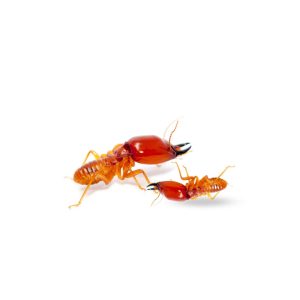
Direct Answer: Yes, dampness in Chittagong commercial offices acts as a primary catalyst for silent, destructive pest invasions. Coastal air humidity combined with AC condensate leaks and building seepage provides the essential moisture required for subterranean termites, booklice, mold mites, and German cockroaches to thrive. Without eliminating indoor dampness and applying targeted commercial pest remediation, structural fit-outs, paper archives, and employee health remain at severe risk.
1Identifying the Problem
- Peeling, bubbling, or flaking paint on interior partitions and perimeter walls.
- A persistent, earthy, or musty odor in carpeted meeting rooms and executive cabins.
- Tiny, clear or translucent moving specks (booklice) on filing cabinets, whiteboards, or wall paneling.
- Mud tubes along skirtings, door frames, or concrete columns indicating subterranean termites.
- Hollow sounds when tapping wooden partitions or veneer wall paneling.
- Unexplained electrical trips or circuit failures in server racks and IT ducting.
2Temporary DIY Remedies
- Deploy Commercial Dehumidifiers: Place portable industrial dehumidifiers in affected zones immediately to drop Relative Humidity below 50%.
- Inspect Condensate Drains: Clear clogged collection trays and ensure AC condensate drainage lines dump water cleanly away from exterior walls.
- Isolate Damp Materials: Remove and safely dispose of water-logged cardboard boxes, wet acoustic ceiling tiles, and damaged carpets.
- Improve Air Circulation: Install high-efficiency mechanical ventilation fans in windowless storage areas and server closets.
- Seal External Seepage: Apply silicon sealants around leaky window frames and structural glass curtain walls to block rain ingress.
The Hidden Danger (Why DIY Fails)
Critical Risk Warning: Ignoring office dampness doesn't just mean dealing with minor bugs—it risks catastrophic financial and legal liability. Unchecked termites can collapse structural ceiling grids, destroy irreplaceable audit records, and trigger structural decay. Furthermore, airborne mold spores combined with pest allergen proteins create severe respiratory hazards, leading to costly employee liability lawsuits and severe OSHA/regulatory compliance failures.
The Invisible Commercial Crisis in Chittagong’s High-Rises
Chittagong (CTG), the commercial capital of Bangladesh, presents a unique geographical reality. Nestled between the Bay of Bengal and coastal hill tracks, the city suffers from high atmospheric humidity levels averaging between 75% and 92% throughout the year. For facility managers, interior architects, and corporate executives running offices in Agrabad, Nasirabad, GEC, or EPZ, this intense moisture creates an environment that goes far beyond aesthetic wall peeling or musty smells. It triggers a subterranean and structural biological crisis: a secret pest invasion.
The Science of Micro-Climates in Commercial Real Estate
Modern corporate offices in Chittagong rely heavily on glass facades, sealed central air conditioning, engineered wood paneling, and gypsum false ceilings. While these elements create a sleek, corporate aesthetic, they frequently trap moisture. When moist ambient coastal air penetrates leaky window sealants or when condensate drainage pipes from HVAC systems leak onto false ceilings, an artificial micro-climate forms.
"Commercial dampness is not just a structural inconvenience; it is a biochemical call to action for wood-boring, mold-eating, and fabric-destroying urban pests."
The Primary Invaders: Moisture-Driven Pests in CTG Offices
1. Subterranean and Drywood Termites (Coptotermes gestroi)
Termites are the most destructive commercial pests in Bangladesh. In humid coastal environments like CTG, high structural moisture allows subterranean termites to migrate upwards through concrete micro-cracks into elevated floors of high-rise commercial buildings. Without damp concrete or moist wooden partitions, these pests cannot maintain their required body moisture levels. Humidity acts as their essential lifeline.
2. Booklice (Liposcelids) and Mold Mites
Often mistaken for dust, booklice are tiny, soft-bodied insects that feed almost exclusively on microscopic mold and fungal spores growing on damp wall paint, wallpaper glue, cardboard archives, and acoustic paneling. If an office in Chittagong experiences wall seepage after monsoon rains, booklice populations can explode into hundreds of thousands within days.
3. German Cockroaches and Oriental Cockroaches
Unlike human workers, cockroaches prioritize water over food. Leaking under-sink plumbing in office pantries, condensate collection trays under floor-standing AC units, and damp server room ductwork provide humid harborage areas where cockroaches proliferate rapidly, contaminating eating areas and compromising electronic equipment with their corrosive droppings.
4. Sub-floor Rodents
Rats and mice use wet utility shafts, damp cable risers, and soft, moisture-damaged drywall partitions as highways to move between floors. Moist insulation around chilled water pipes gives them both hydration and soft material for nesting.
The Hidden Cost: Impact on Operations, Health, and Property Value
- Loss of Archival and Legal Documentation: Paper absorbs ambient humidity. Soft, damp paper combined with silverfish and termites leads to catastrophic paper document destruction.
- Air Quality and Employee Health: Dampness fosters toxic black mold (Stachybotrys chartarum). Combined with pest droppings and molted skins, this creates airborne allergens that trigger Sick Building Syndrome (SBS), increasing employee absenteeism and reducing workplace productivity.
- Electronics and Server Room Corrosion: High indoor humidity alongside cockroach infestations inside server racks causes short circuits, circuit board oxidation, and sudden hardware failure.
- Destruction of Expensive Interior Fit-Outs: High-end veneer paneling, teak furniture, and custom acoustic boards warp, rot, and disintegrate when infested by moisture-seeking pests.
Actionable Solutions for Facility Managers and Interior Designers
- Perform Moisture Audits: Use non-destructive pinless moisture meters on external-facing walls, false ceilings, and under-sink cabinetry to detect hidden seepage before pest swarms appear.
- Upgrade HVAC & Humidity Control: Ensure commercial air conditioning units maintain indoor relative humidity (RH) strictly below 50-55%. Install industrial dehumidifiers in document archives and server rooms.
- Rethink Interior Materials: Interior designers working in Chittagong and Dhaka should specify moisture-resistant marine plywood, treat structural timber with boron-based preservatives, and avoid unsealed Gypsum board in perimeter zones.
- Implement Professional Integrated Pest Management (IPM): Traditional spray chemicals fail if dampness remains unaddressed. Partner with certified commercial pest control experts who combine moisture remediation with targeted baiting, thermal dusting, and anti-termite chemical barriers.
Frequently Asked Questions
Why are pests more severe in Chittagong offices compared to Dhaka?
Can adjusting the AC solve dampness and pest problems?
How do booklice get into concrete commercial buildings?
How often should CTG offices undergo professional pest and moisture audits?
Need a Permanent Solution?
Don't let pests ruin your peace of mind. Get a free inspection from Bangladesh's top-rated professionals today.