Don't Install Expensive Woodwork in CTG Before Reading This Termite Guide
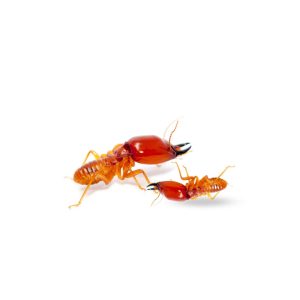
Installing expensive interior woodwork in Chittagong without professional anti-termite treatment is an extreme financial liability. CTG's coastal humidity, high soil moisture, and specialized subterranean termite species (Coptotermes) create aggressive infestation pressure. Without soil-level chemical barriers, borate timber impregnation, and regular bait monitoring, subterranean termites will navigate concrete fissures and destroy expensive MDF, veneer, and solid wood structures from the inside out within months.
1Identifying the Problem
- Mud Tubes on Concrete Walls: Thin brown earthen conduits running along skirting boards, pillars, or concrete walls.
- Hollow Sounding Timber: Woodwork that sounds empty or papery when tapped with a hard object.
- Blistered Veneer or Paint: Unexplained bubbled veneer or peeling wall paint along wooden structures.
- Frass and Wings: Discarded swarm-termite wings near window sills and micro-wood dust along baseboards.
2Temporary DIY Remedies
- Isolate Moisture Sources: Fix all AC condensation leaks and plumbing seepages behind wooden paneling immediately.
- Apply Borate Base-Coats: Apply a thick double-coat of Disodium Octaborate Tetrahydrate (DOT) solution on bare untreated timber backs before installation.
- Maintain Perimeter Gaps: Keep a mandatory 2-inch clearance gap between wooden wall paneling and raw masonry surfaces.
- Deploy Surface Traps: Use wet corrugated cardboard pads near suspected points of movement as temporary aggregation traps before professional inspection.
The Hidden Danger (Why DIY Fails)
- Structural Collapses: Hollowing out load-bearing timber ceiling supports leads to catastrophic structural failures.
- Electrical Fires: Termites chew through insulation on electrical cables inside walls, creating short-circuits and major fire hazards.
- Irreversible Financial Loss: Complete destruction of custom-built furniture, paneling, and interior aesthetics within 6 to 12 months.
- Indoor Air Quality Contamination: Spores and fungal colonies thriving inside termite-damaged moist wood cause respiratory risks in air-conditioned spaces.
The High-Stakes Gamble of Chittagong Woodwork
Chittagong (Chattogram), the commercial capital of Bangladesh, is renowned for its maritime heritage, rapid urban commercial growth, and lush coastal climate. However, this exact climate creates a silent, multi-million taka crisis for facility managers, interior designers, and high-end homeowners. Installing luxury teak, mahogany, or engineered wood paneling without a preemptive subterranean termite management strategy is essentially handing an open invitation to invisible financial destruction.
Why Chittagong is the Ultimate Breeding Ground for Subterranean Termites
The microclimate in Chittagong presents a triple threat: extremely high relative humidity, high salinity levels in coastal soil, and expansive urban dampness. Subterranean termites, specifically species of Coptotermes, thrive in moist subterranean ecosystems. Unlike surface pests, subterranean termites live under immense pressure beneath concrete slabs and foundation footings, relentlessly searching for cellulose.
"Investing millions in interior decor in Chittagong without slab-level termite proofing is structurally and financially irresponsible." - Senior Structural Consultant
1. Coastal Humidity and Thermal Traps
Chittagong experiences extended monsoon seasons where structural humidity regularly spikes past 85%. False ceilings, wall paneling, and built-in office workstations trap moist micro-pockets of air behind expensive timber. These dark, warm, and high-moisture cavities create ideal incubator chambers for termite colonies.
2. Soil Composition and Concrete Penetration
The coastal soil in zones like Agrabad, GEC, Nasirabad, and Khulshi contains rich organic deposits and high soil moisture. Subterranean termites construct mud tubes capable of exerting mechanical pressure and secreting acidic fluids that navigate microscopic cracks in concrete foundations, brick joints, and conduit pipes.
The Multi-Million Taka Interior Mistake: What Designers and Facility Managers Miss
When interior architects design state-of-the-art office spaces or residential penthouses in Chattogram, the focus naturally lands on aesthetics, acoustics, and spatial utilization. However, skipping pre-construction soil treatment or post-construction chemical barriers creates a ticking structural clock.
- Veneer and MDF Vulnerability: Modern interior concepts rely heavily on MDF, HDF, and plywood. These composite woods are rich in binding resins and softwood cellulose, which subterranean termites consume up to five times faster than solid seasoned teak.
- Concealed Ducts and Cabling: Luxury office fit-outs hide structural wiring and HVAC ducts behind timber paneling. Termites utilize these utility conduits as superhighways, moving undetected from the basement slab straight up to executive boardrooms on the 10th floor.
- False Ceiling Collapses: Over time, termites hollow out ceiling batten support structures. The damage remains entirely invisible from the outside until the weight of the suspended structure causes a sudden structural collapse.
A 4-Step Scientific Termite Defense Matrix for Chittagong Structures
Protecting interior investments requires moving beyond outdated liquid surface sprays. Professional facility management demands a multi-barrier defense framework designed for high-humidity coastal zones.
Step 1: Soil-Level Chemical Profiling and Pre-Construction Barrier
Before pouring foundation slabs or laying sub-flooring, the soil must be saturated with high-potency non-repellent termiticides (such as Imidacloprid or Fipronil). Non-repellent chemistry ensures foraging termites carry the active agent back to the central queen, eliminating the entire subterranean nest rather than merely diverting it.
Step 2: Sub-Slab Termiticide Injection (Post-Construction Retrofitting)
For existing corporate offices, commercial towers, and finished apartments, precision drilling along the floor perimeter at designated intervals is mandatory. Injecting specialized termiticides under pressure creates an unbroken chemical curtain beneath the floor tile or marble base.
Step 3: Timber Impregnation and Moisture Control
Every piece of solid wood, plywood framing, or backer board must be treated with deep-penetrating borate-based wood preservatives prior to polish or lamination. Concurrently, installing mechanical vapor barriers behind wall paneling stops condensation build-up.
Step 4: Continuous Baiting and Acoustic Monitoring Systems
Installing exterior and interior monitoring stations equips facility teams with early detection capabilities. Advanced baiting stations use cellulose matrices impregnated with Insect Growth Regulators (IGRs) that disrupt termite molting cycles without releasing volatile chemicals into indoor office environments.
Financial Analysis: Preemptive Defense vs. Structural Remediation
- Preemptive Anti-Termite Infrastructure: Represents less than 1% to 2% of total interior fit-out expenditure.
- Reactive Repair and Replacement: Rebuilding damaged woodwork, replacing ruined electrical cabling, and addressing operational downtime costs between 30% and 60% of the original fit-out budget.
"Proactive termite management is not an operational expense; it is asset insurance for commercial real estate."
Frequently Asked Questions
Is subterranean termite treatment required for high-rise building apartments in CTG?
Can MDF and Plywood be rendered 100% termite proof?
When should anti-termite soil treatment be performed during construction?
Do surface aerosol sprays kill termite colonies?
Need a Permanent Solution?
Don't let pests ruin your peace of mind. Get a free inspection from Bangladesh's top-rated professionals today.