How Chemical Anti-Termite Soil Treatment Protects High-Rise Basement Foundations in Dhaka
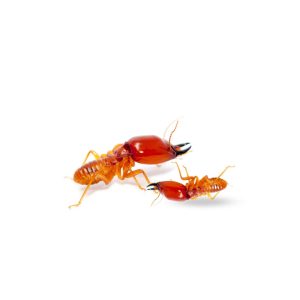
Chemical anti-termite soil treatment protects high-rise basement foundations in Dhaka by establishing a continuous chemical termiticide barrier around the raft slab and retaining walls. Utilizing non-repellent active ingredients like Fipronil or Imidacloprid, it prevents subterranean termites from exploiting concrete micro-cracks and utility joints, neutralizing subterranean colonies before they penetrate upper floor interiors and electrical networks.
1Identifying the Problem
- Presence of mud tubes along basement retaining walls and concrete expansion joints.
- Hollow sounding wooden wall paneling and door frames in basement management offices.
- Damaged electrical insulation and unexplainable power trips in underground distribution boards.
- Fine soil or brownish dust accumulating near floor cracks and utility conduits.
2Temporary DIY Remedies
- Seal Surface Cracks Immediately: Apply high-grade polyurethane sealant to micro-cracks along basement floors and walls to retard termite penetration.
- Eliminate Moisture Accumulation: Ensure basement sumps and drainage pumps are functioning to prevent water stagnation against foundation walls.
- Avoid Wood-to-Soil Contact: Keep shuttering wood, wooden pallets, and paper waste completely clear of basement sub-floors.
- Contact Certified Experts: Schedule an immediate thermal-imaging inspection and chemical soil barrier injection through certified professional pest management companies.
The Hidden Danger (Why DIY Fails)
Critical Danger: Ignoring subterranean termites in high-rise basements risks severe financial loss. Termites easily travel up building risers, destroying server room data cables, fire safety control panels, and luxury interior woodwork across top floors, while accelerating structural corrosion by trapping moisture inside concrete fissures.
The Subterranean Threat to Dhaka's Towering Concrete Jungle
Dhaka is experiencing an unprecedented vertical expansion. From commercial hubs in Gulshan and Banani to massive industrial complexes in Gazipur and Chattogram, high-rise architecture defines modern Bangladesh. However, beneath these multi-story basements lies a silent, destructive adversary: subterranean termites (specifically Coptotermes gestroi). Operating in total darkness, these relentless pests breach thick concrete foundation rafts, retaining walls, and expansion joints, jeopardizing multi-million dollar interior investments and structural utility networks.
Why High-Rise Basements in Dhaka Are Uniquely Vulnerable
Many structural engineers and facility managers mistakenly assume that steel and reinforced concrete (RCC) are immune to termite infestation. While termites do not consume concrete, they possess an extraordinary capability to navigate through microscopic stress cracks, cold joints, expansion joints, and plumbing/electrical conduit penetrations.
Dhaka's high water table and moist deltaic soil provide the ideal hyper-humid environment for subterranean termite colonies to thrive adjacent to deep basement retention walls.
When high-rises are built with multi-level basements (B1 to B4), subterranean termites move upward through capillary action and foundation micro-fissures driven by search for cellulose. Once inside, they breach underground electrical risers, drywall partition tracks, wooden paneling, and server room cabling, leading to catastrophic short circuits and structural repair costs.
The Science of Chemical Anti-Termite Soil Treatment
Chemical anti-termite soil treatment creates a continuous, toxic or non-repellent chemical barrier in the soil surrounding and beneath the basement raft foundation. This barrier effectively isolates the building structure from subterranean soil colonies.
1. Non-Repellent Termiticide Technology
Modern professional pest management relies on non-repellent active ingredients such as Fipronil and Imidacloprid. Unlike older repellent chemicals, non-repellent chemistry cannot be detected by foraging termites. Pests walk through the treated soil zone, transfer the chemical back to the central subterranean nest via grooming and trophallaxis (food sharing), resulting in total colony elimination.
2. Pre-Construction vs. Post-Construction Soil Barrier Application
- Pre-Construction Soil Treatment: Applied directly to the excavated soil beds, bottom rafts, beam trenches, and side retention walls prior to pouring concrete. This creates an uninterrupted chemical envelope under the structure.
- Post-Construction Sub-Slab Injection: Requires precision drilling of vertical and horizontal ports through basement concrete slabs and perimeter retaining walls, followed by high-pressure liquid chemical injection to saturate the underlying sub-base soil.
Step-by-Step Implementation Protocol for Facilities and Site Engineers
- Site Survey & Soil Moisture Assessment: Conducting soil pH and hydration testing to ensure active ingredients maintain long-term stability without rapid leaching.
- Perimeter Trenched Barrier: Excavating a continuous trench around retaining walls and applying termiticides at standardized dosage rates (typically 5 liters per square meter of ground area).
- Pressure Drilling & Pressure Injection: Utilizing heavy-duty industrial pumps operating at controlled pressure to saturate the soil behind retention walls and under raft foundations without inducing structural hydraulic distress.
- Expansion Joint Sealing: Treating expansion joints and pipe penetrations with termiticide emulsions combined with specialized elastomeric elastomeric sealants.
Protecting Interior Assets, Compliance, and Asset Valuation
For facility managers, factory compliance officers (accord/alliance/RSC standards), and interior designers, chemical soil barrier treatment is not merely pest management—it is asset preservation. Unchecked termite activity in basements quickly ascends via elevator shafts and utility ducts to compromise high-value tenant fit-outs, executive boardrooms, and data infrastructure across upper floors.
Conclusion: Standardizing Subterranean Defense
Incorporating chemical anti-termite soil treatment according to the Bangladesh National Building Code (BNBC) is essential for any high-rise development in Dhaka and Chattogram. Securing the foundation soil ensures structural integrity, safeguards expensive interior installations, and provides decades of uninterrupted operational reliability.
Frequently Asked Questions
How long does chemical anti-termite soil treatment last in high-rise basements?
Can termites really penetrate concrete basement foundations?
Is post-construction chemical treatment safe for indoor office environments?
Does the Bangladesh National Building Code (BNBC) require termite treatment?
Need a Permanent Solution?
Don't let pests ruin your peace of mind. Get a free inspection from Bangladesh's top-rated professionals today.